Exploring the Nutritional Benefits of Microgreens and Their Role in a Balanced Diet
- chaviagroproduce
- Jul 30, 2025
- 3 min read
Microgreens have become a favorite in culinary and health circles, drawing attention for their vibrant colors and intense flavors. These tiny, young plants are harvested shortly after the first leaves appear and are packed with nutritional goodness. In this article, we will explore the numerous benefits of including microgreens in your diet and how these small powerhouses can promote a balanced and healthy lifestyle.
What Are Microgreens?
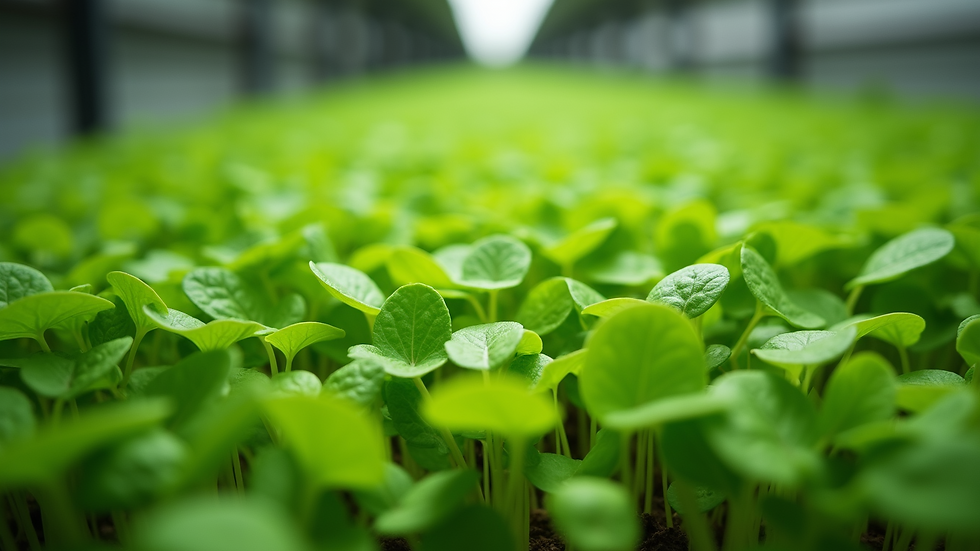
Microgreens are small, edible plants that are picked at an early growth stage, usually between 7 to 21 days after germination. They can come from various plant families, including herbs, vegetables, and grains. Notable varieties include arugula, broccoli, radish, basil, and beet greens. While they make a beautiful garnish, the advantages of microgreens go far beyond their visual appeal.
Nutritional Powerhouses
Including microgreens in your diet is a smart choice due to their rich nutritional profile. Research shows many types of microgreens contain significantly higher concentrations of vitamins, minerals, and antioxidants than their mature forms.
Vitamins and Minerals
Microgreens are an excellent source of essential vitamins and minerals. For instance, they are rich in vitamins A, C, E, and K, as well as calcium, iron, and magnesium. These nutrients support various bodily functions, such as enhancing immune health, promoting strong bones, and improving circulation.
For example, a study in the Journal of Agricultural and Food Chemistry highlights how red cabbage microgreens can contain up to 40 times more vitamins C and E than mature cabbage. This means that just a small amount can provide a hefty dose of nutrients.
Antioxidants
Rich in antioxidants, microgreens help protect the body against oxidative stress, which can lower the risk of chronic diseases such as heart disease and certain cancers. Microgreens like broccoli and radish are especially known for their high antioxidant content. Incorporating a variety of these into your diet can boost your overall health.
Energy Boosting Benefits
The vitamins and minerals found in microgreens can also help increase energy levels. By eating a range of microgreens, you can enhance nutrient absorption, which supports your body’s energy production. A diet rich in these greens can leave you feeling more energetic and revitalized.
Culinary Versatility
Microgreens are incredibly versatile in the kitchen, allowing for exciting flavor and texture additions to your meals.
Salads and Wraps
Adding microgreens to salads and wraps can elevate their appeal. Their tender leaves bring a fresh burst of flavor, and experimenting with mixtures can lead to unique tastes. For instance, combining arugula microgreens with a citrus dressing can create a delightful salad that offers both zest and nutrition.
Smoothies
For a quick nutrient boost in the morning, throw some microgreens into your smoothie. Their mild flavor blends seamlessly with fruits and veggies. You could try adding basil microgreens to a banana and spinach smoothie. This simple change can enhance nutrient intake without sacrificing taste.
Toppings and Garnishes
Microgreens make excellent toppings for soups, sandwiches, and grain bowls. Not only do they add visual interest, but they also increase the nutritional value. For example, a sprinkle of beet greens on a grain bowl adds not just color but essential nutrients like iron and potassium.
Growing Microgreens at Home
A thrilling aspect of microgreens is that they are easy to grow at home. With just a few supplies—seeds, soil, and containers—you can cultivate your own microgreen garden, providing fresh greens whenever you need them.
Simple Steps to Get Started
Choose Your Seeds: Select the microgreen varieties you like best, such as broccoli or radish.
Prepare Your Container: Use shallow trays or pots with good drainage.
Soil Preparation: Fill the container with a light, seed-starting mix and moisten it, avoiding sogginess.
Sow the Seeds: Evenly spread the seeds across the soil surface and cover them lightly.
Water and Light: Water gently and place your setup in a sunny spot or under grow lights.
Harvest: In just 7 to 21 days, when your microgreens reach 1 to 3 inches tall, they are ready to be harvested!
Wrapping Up
Adding microgreens to your diet is an easy, effective way to boost your nutritional intake. These tiny plants are loaded with essential vitamins, minerals, and antioxidants, while also being adaptable in various dishes. By growing your own microgreens, you can enjoy fresh, nutrient-dense greens that contribute to a balanced diet.
As you explore the many benefits of microgreens, try incorporating them into your meals. You might be surprised at the flavors and health benefits they bring to your table. Embracing microgreens can lead to a healthier you!
Comments